The mattress that felt perfect in the showroom, cradling your shoulder just right, can turn into a source of nightly frustration within twelve months. You’ll know the signs: that initial medium-soft comfort layer gives way, your hip sinks deeper than it should, and you wake up with a stiff neck or a sore shoulder that wasn’t there before. It’s not about the mattress getting softer—it’s about the core underneath losing its fight. The support layer, whether it’s a spring unit or a dense foam block, has compressed beyond its design limits, failing to hold your spine in line.
This happens especially in those medium-soft mattresses favoured by side sleepers. They’re built with thicker contouring layers to cushion pressure points, but that softer top needs a rock-solid foundation. When the foundation goes, the whole structure collapses. You end up sleeping in a ditch, not on a platform. For anyone in a 4-room BTO, where the master bedroom might only be around 3.5 by 3 metres, there’s no escaping to another bed—this is your main retreat, and its failure feels personal.
The culprit is often a low-density foam core or a lightweight spring system that can’t sustain the constant, concentrated weight of a side sleeper’s hips and shoulders. Over months, it just gives up. You might think rotating the mattress will help, but that only addresses surface wear; a fatigued core is a uniform problem. The only real fix is to avoid the problem from the start by looking beyond the comfort layer. You need to ask about the density of the support foam or the gauge and count of the springs—details that showroom tags sometimes gloss over.
There’s one exception: if you’re a very light side sleeper, a less robust core might last a few years longer. But for the majority of adults, and especially for pregnant women advised to sleep on their left side, that concentrated pressure demands a serious foundation. Don’t get seduced by the initial plush feel; interrogate what’s underneath it. A mattress that caves in a year isn’t a comfort issue—it’s a structural failure one.
Think about a mattress that fails a side sleeper. It’s not just about a bad night’s rest—the real bill comes later. Your spine needs that gentle cradle at the shoulders and hips to stay neutral, otherwise it’s pulling muscles and joints into a fight all night. That fight doesn’t end when you wake up. It follows you to your desk, your commute, even your weekend plans, dragging down your energy and focus until you’re booking appointments just to get back to baseline.
Picture a typical 4-room BTO master bedroom, a Queen bed taking up most of the floor. A couple sleeps there, one a strict side sleeper. If the mattress is too firm or its comfort layers too thin, the shoulder gets jammed, the hip doesn’t sink enough, and the spine curves sideways to compensate. Morning stiffness becomes a routine. That stiffness isn’t free—it translates into lost productivity at work, more frequent aches that need managing, and eventually, professional help. The mattress’s price tag becomes just the entry fee; the ongoing cost is your well-being.
The exception? If you’re a side sleeper who also shifts positions a lot during the night, you might get away with a slightly firmer feel because you’re not locked into one pressure point. But for the majority who settle on their side for hours, that medium-soft to medium support with proper contouring isn’t a luxury—it’s a necessary investment against future expense. Skip it, and you’re essentially budgeting for chiropractic visits and fatigue instead.
So the question isn’t just “Is this mattress comfortable?” It’s “Will this mattress keep my spine—and my wallet—from needing extra care down the line?” A mattress that aligns you properly does more than support sleep; it supports your daily life, free from that hidden drain of aches and remedial costs. That’s the real value you’re buying.
Singapore's relentless humidity doesn't play fair with every mattress core. Latex, being a natural material, breathes better than dense foam, but it's still a porous sponge for moisture in a non-air-conditioned room. Over years, that constant dampness can subtly change its feel, even if the bounce stays. Pocketed springs, with their steel coils wrapped in fabric pockets, face a different enemy—rust. If the steel gauge isn't high enough, or the protective coating is poor, that damp air creeping in can start a slow decay. For a side sleeper counting on long-term support, this isn't a minor detail; it's the foundation of your investment.
Latex's breathability is relative. In a west-facing flat during the afternoon, or in a common bedroom without an AC running all night, that core can become a warmth trap. You'll feel it most during the year-end monsoon when the air is still and heavy. For side sleepers, who already need softer comfort layers that can themselves trap heat, a warm core underneath adds another layer of discomfort. Pocketed springs, with their air channels between coils, generally stay cooler by design. That airflow matters more if you're a side sleeper who tends to feel overheated and sticky by midnight.
Pocketed springs promise contouring, but their lifespan hinges entirely on the quality of the steel. A low gauge number means thinner, weaker coils that will sag under constant pressure points like hips and shoulders. In a Queen bed shared by two, that sagging zone becomes a problem for both sleepers. Latex cores resist permanent indentations better, maintaining their push-back over a decade. However, latex can soften over time in a humid environment, losing its precise support. For side sleepers prioritising alignment for shoulder pain, the core's enduring firmness is the real question.

This choice isn't just technical; it's about how you sleep. If you're a side sleeper who wakes up feeling hot, pocketed springs are the safer bet for coolness. But if you value that deep, buoyant bounce that eases pressure on your hip as you sink in, latex delivers that sensation more directly. Pregnant women advised to sleep on the left side need extra contouring and stability—a high-quality pocketed spring system can offer that without the heat buildup. Your tolerance for a slightly warmer sleep surface versus your need for unwavering support is the personal scale you must weigh.
The core doesn't work alone. For side sleepers, the thicker comfort layers—memory foam or latex—are crucial for pressure relief. But a weak core underneath will let those layers sink unevenly over time. A pocketed spring unit with a high steel gauge provides a stable, responsive base for those softer top layers to perform. A latex core offers a more uniform, solid foundation, but it requires those top layers to manage heat dissipation. The synergy between the core and the comfort system is what creates true long-term integrity. Ignoring that partnership is where many buyers get it wrong.
Selecting a mattress for side sleepers starts with ensuring it fits the room. A Queen size mattress, measuring 152cm by 190cm, typically suits an HDB master bedroom's dimensions. Leave about 60cm clearance beside the bed for ease of movement and access. This practical sizing allows side sleepers to enjoy their supportive mattress without compromising room functionality.
Singapore’s climate isn’t just about comfort—it’s a relentless material test. Those west-facing bedrooms that soak up afternoon sun and trap that eighty-plus percent humidity become accelerated ageing chambers for a mattress. The foam inside, especially the softer layers a side sleeper needs for hip and shoulder relief, can soften unevenly, losing its supportive contour long before the warranty expires. You’ll notice it first as a slight dip where you sleep, a premature sag that throws alignment off.
Consider a typical Queen mattress in a resale flat near Tanah Merah. After two humid seasons—the year-end monsoon and the mid-year stickiness—the core can start to give. It’s not a dramatic collapse, but a gradual softening that leaves your spine unsupported. That’s the hidden cost of our environment: the support system quietly erodes. For side sleepers, this is critical because alignment depends on that core holding firm beneath the softer top.
So what survives here? Look beyond the comfort layers. The support core itself needs specific moisture-resistant treatments. Many standard foam cores aren’t built for this sustained dampness. You want a core that’s been engineered to resist humidity, one that won’t soften and lose its push-back. It’s the foundation that determines whether your mattress stays medium-soft and supportive for years, or becomes a lumpy, uneven surface after a few cycles of our weather.
There’s honestly one real exception to this focus on the core: if you’re in a newer, well-ventilated condo with consistent air-conditioning, the humidity stress is drastically lower. But for the majority in HDB flats, especially those older blocks with less airflow, the core’s climate resistance is non-negotiable. Don’t just ask about the foam’s density; ask how it’s been treated to handle moisture. That’s the question that separates a mattress that lasts from one that gives up after two humid seasons.
You can’t tell how a mattress will contour to your hips and shoulders from a website photo. A medium-soft rating on a spec sheet doesn’t translate to the actual sensation of sinking in just enough to relieve pressure while keeping your spine aligned. That’s why skipping the showroom visit is a gamble—you might end up with a bed that feels perfectly supportive online but leaves you aching after a week in your own 12 sqm common bedroom. The difference between a mattress that works for side sleepers and one that merely claims to is something you have to feel, not read about.
Lying down for ten minutes on a Queen-sized sample lets you test the weight distribution across your shoulder and hip. It’s the only way to know if the core provides that crucial balance: soft enough to cradle, firm enough to prevent you from sinking into a hammock effect that misaligns your spine. You’ll notice if the edge support holds when you roll over, or if the perimeter collapses—a common issue in smaller rooms where you might sleep nearer the edge. Pictures can’t show that.
Consider the physical constraints of your flat, too. A mattress that looks manageable in a spacious showroom can overwhelm a compact HDB bedroom once it’s delivered. Seeing a 152 by 190cm Queen bed in a real space gives you a sense of how much floor space it truly consumes, and whether you’ll have that recommended 60cm clearance on at least one side for moving around. You can also assess how the mattress’s height works with your existing bed frame or planned storage drawers.
There’s honestly no substitute for this hands-on check. The one exception might be if you’re replacing an identical model you’ve already slept on for years and know it suits you. Otherwise, you’re buying blind. A visit lets you confirm the materials and build quality with your own eyes, ensuring the layers promised are actually there and feel right for your body. It turns a speculative purchase into a confident one.
If you’ve ever typed ‘can a mattress too soft cause shoulder pain’ into your phone at 2 a.m., you’re not alone. That’s the classic side sleeper’s dilemma—you need a softer top layer to cushion your shoulder and hip, but if the whole mattress is just soft, you’ll sink right through and your spine will curve. The pain comes not from the softness itself, but from a core that’s too weak to hold you up. A medium-soft comfort layer over a firm, unyielding support base is the fix.
How long does a memory foam mattress last in SG humidity? Memory foam is sensitive to heat and moisture, which our climate provides generously. Without a good moisture barrier in the foam or a breathable cover, it can degrade faster, losing its contouring feel and becoming denser. You’ll notice it doesn’t bounce back as well after a few years. That’s why, for side sleepers who rely on that initial softness, it’s crucial to check if the memory foam layer is treated for humidity resistance or if the mattress uses a more stable alternative like latex in the comfort layer.
Best mattress for pregnancy side sleeping? Left-side sleeping is advised, and the need for pressure relief is even greater. But the core integrity becomes non-negotiable—a pregnant body is heavier, and a sinking mattress can strain the lower back. You want a mattress that’s medium-soft on top to accommodate the changing hip and shoulder pressure, but with a core so firm it feels almost solid underneath. The one exception is if you have existing back issues; then a slightly softer overall feel might be necessary, but the core must still be unwavering.
Do I need a topper if my mattress core is sinking? Absolutely not. Adding a topper to a sinking mattress is like putting a fresh sheet of paper over a cracked table—it hides the problem for a night or two, but you’re still resting on a failing structure. The topper will compress unevenly over the weak spots, and your alignment gets worse. The only real solution is to replace the mattress. Don’t spend money on a temporary fix that actually prolongs your discomfort.
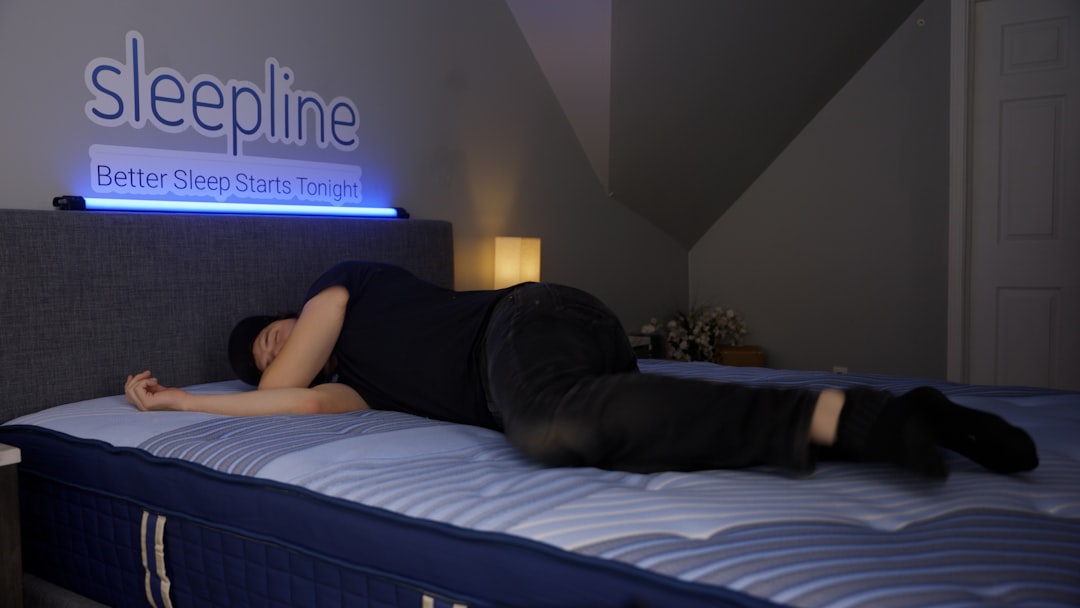
That first sink-in moment on a plush mattress can feel like heaven, especially after a long day at work. You lie down and the pressure just melts away from your shoulders and hips—it’s a relief your body recognises instantly. But that initial comfort is a tricky thing; it can disguise a weak foundation that won’t hold up over the years. For side sleepers, who need that softer top layer to cushion their joints, the core underneath is what truly determines whether you’ll sleep soundly for a decade or start feeling aches in a few years.
A mattress with a thick, luxurious comfort layer but a flimsy support core is like a beautiful cake with no substance. It feels wonderful at first, but soon you’ll find yourself sinking too deep, losing that crucial spinal alignment. Your hips and shoulders drop below your waistline, and your back starts to compensate. This is particularly true for heavier individuals, where a weak core collapses faster under sustained pressure. That cosy feeling you bought in Bedok becomes a nightly strain.
So what’s the answer? You need a mattress built with a resilient support system—a dense foam base or a sturdy spring unit—paired with a genuinely pressure-relieving top. It’s not about choosing firm over soft; it’s about ensuring the soft part has a strong foundation. Look for a comfort layer that’s substantial enough to cradle your side-sleeping posture, but verify the core’s specifications. A good one will keep your spine in a neutral line even as the top layer contours.
There’s one exception: if you’re buying a mattress for a very short-term situation, like a guest room that’s rarely used, then prioritising immediate comfort might be acceptable. But for your main bed, where you’ll spend thousands of nights, the support core is the non-negotiable. Don’t let that first blissful lie-down fool you into a purchase that won’t last. Your shoulders and hips need relief now, but your whole spine needs support for the long haul.
The most common mistake side sleepers make in a showroom is testing mattresses without their own bedroom’s climate in mind. Singapore’s humidity can swing a memory foam’s feel from supportive to sluggish, and a latex core’s bounce can feel different in a dry air-conditioned showroom versus your actual 3-room HDB. So before you head out, take a simple reading of your room’s humidity exposure—is it a west-facing flat that gets afternoon sun, or a common bedroom with less airflow? That note matters more than any brochure spec.
Your body weight directly dictates how a mattress core will respond. A lighter person might find a medium-soft mattress perfectly supportive, while someone heavier could sink through those same comfort layers and lose the alignment they need. Decide your tolerance for warmth too, because thicker contouring layers, especially memory foam, tend to retain more heat. If you’re someone who already sleeps with the air-con on, a cooler-feeling latex or gel-infused foam might be the better call.
Bring these three notes—humidity, weight range, and warmth preference—with you. At the showroom, you can then test the cores under conditions that mimic your specific environment. Ask to feel the difference between a pocketed coil system and a high-density foam base in the context of your weight; see how a latex layer reacts compared to memory foam when you think about your room’s moisture level. This turns a generic lie-down into a targeted trial.
The only exception? If you’re buying for a guest room that’s rarely used, then maybe you can skip the deep analysis. But for your own bed, where you’ll spend hours every night trying to relieve shoulder and hip pressure, this prep work is non-negotiable. It’s the step that separates a mattress that feels good for five minutes in a store from one that actually maintains its core integrity and side support for years in your flat.